The Door Is Not the Goal: A Practical Canvassing System for Local Campaigns
A research-backed field guide to turning door knocks into meaningful conversations, usable data, stronger volunteers, and a smarter local campaign.
Updated September 5, 2026
A door is a small thing. A rectangle, a bell, maybe a dog already announcing your arrival before your knuckles reach the wood.
But in a local campaign, a door can become something much larger: a conversation between neighbors, a question finally answered, a concern heard without a microphone in the way. It is one of the few places left in public life where people can meet without an algorithm deciding who should speak first.
That does not mean every knock changes a vote. It does mean a well-run canvass can turn a campaign from a message sent at people into an organization that listens, learns, and improves.
The point is not to collect the largest possible door count. The point is to build a reliable system for reaching people, recording what happened, helping volunteers grow, and making the next conversation better than the last.
This is how to build that system.
What the research actually says
Political campaigns are full of folklore. Fortunately, door-to-door work has also been studied through field experiments.
In six randomized experiments conducted during local elections in Bridgeport, Columbus, Detroit, Minneapolis, Raleigh, and St. Paul, researchers found an average 2.1 percentage-point increase in turnout among voters assigned to receive a visit. Because many assigned voters were never reached, the estimated effect among people who actually had a face-to-face contact was larger: about 7.1 percentage points. The researchers summarized the practical result as roughly one additional vote for every 12 successful contacts.
Those findings are encouraging. They are not a universal conversion table.
A 2024 meta-analysis warns that voter-mobilization effects can become 33% to 76% smaller as an election becomes more salient. In other words, a tactic that stands out in a quiet municipal race may add less in a presidential-year environment already crowded with advertising, news, mail, calls, and texts. The authors also emphasize intent-to-treat results—the effect across everyone a campaign tries to reach—because declining contact rates can quietly erase the value of a strong conversation.
The honest conclusion is better than the folklore: face-to-face contact can matter, local elections can be especially fertile ground for it, and execution determines how much of the potential becomes real.
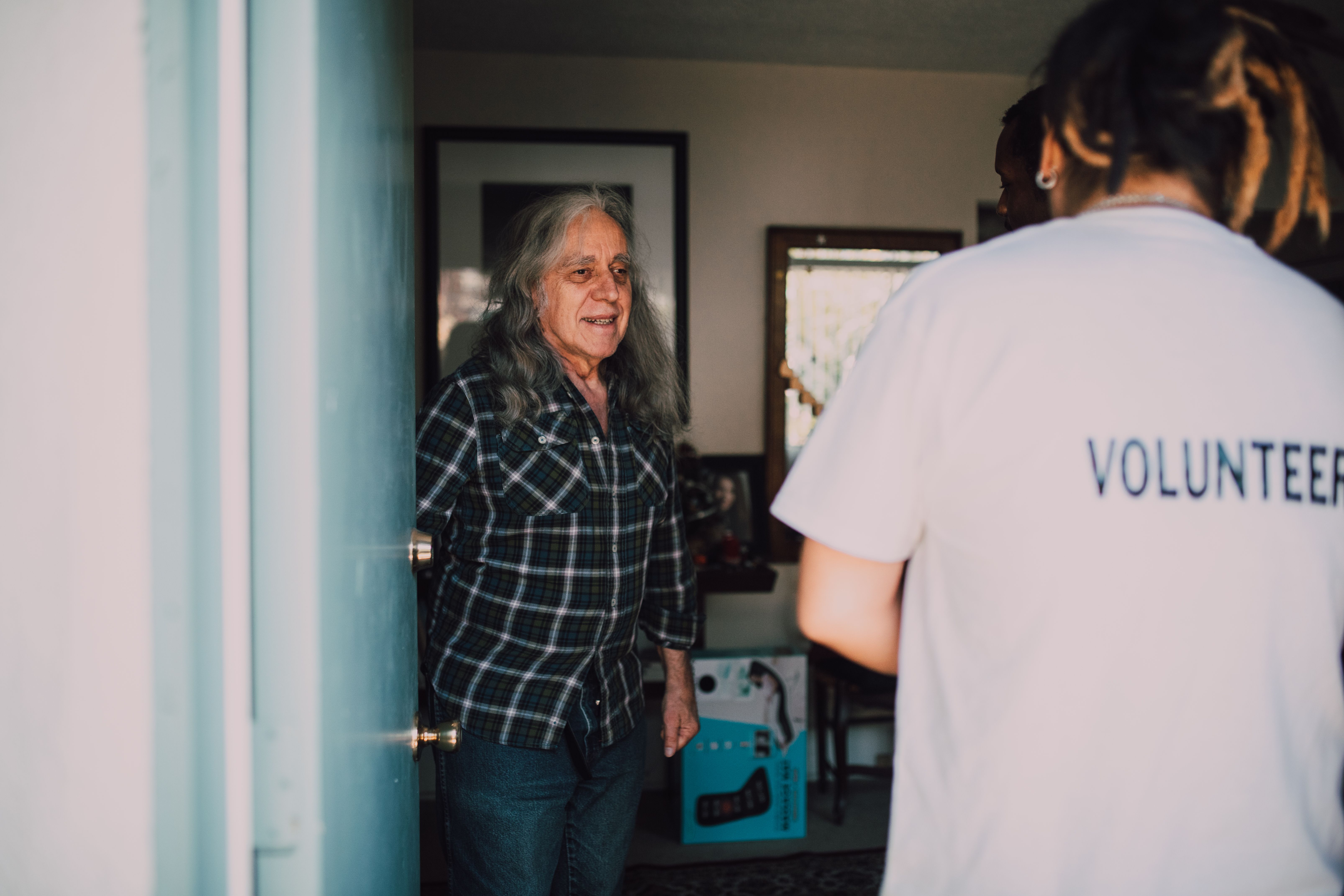
Canvassing begins with a neighbor willing to open the door and a volunteer ready to listen. Photo by RDNE Stock Project via Pexels.
The field funnel: count what leads to conversations
Imagine a Saturday canvass with 1,000 assigned voters. If the team attempts 700 doors, reaches someone at 210, has 150 meaningful conversations, and records 90 clear supporter or follow-up outcomes, then “1,000 doors” is not the useful number.
The useful numbers are
- Attempt rate: attempted doors ÷ assigned doors
- Contact rate: answered doors ÷ attempted doors
- Conversation rate: meaningful conversations ÷ answered doors
- Resolution rate: usable outcomes ÷ meaningful conversations
- Data completion rate: properly logged attempts ÷ total attempts
These rates reveal different problems. A low attempt rate may point to bad turf design or slow onboarding. A low contact rate may mean the team is knocking at the wrong time. A low conversation rate may indicate a script that sounds like a speech. A low data completion rate means the campaign is losing tomorrow's strategy inside today's unrecorded work.
The loop matters more than the leaderboard.
Before the first knock: make participation easy
Most local campaigns do not have too few people who care. They have too much friction between I care and I am ready to help.
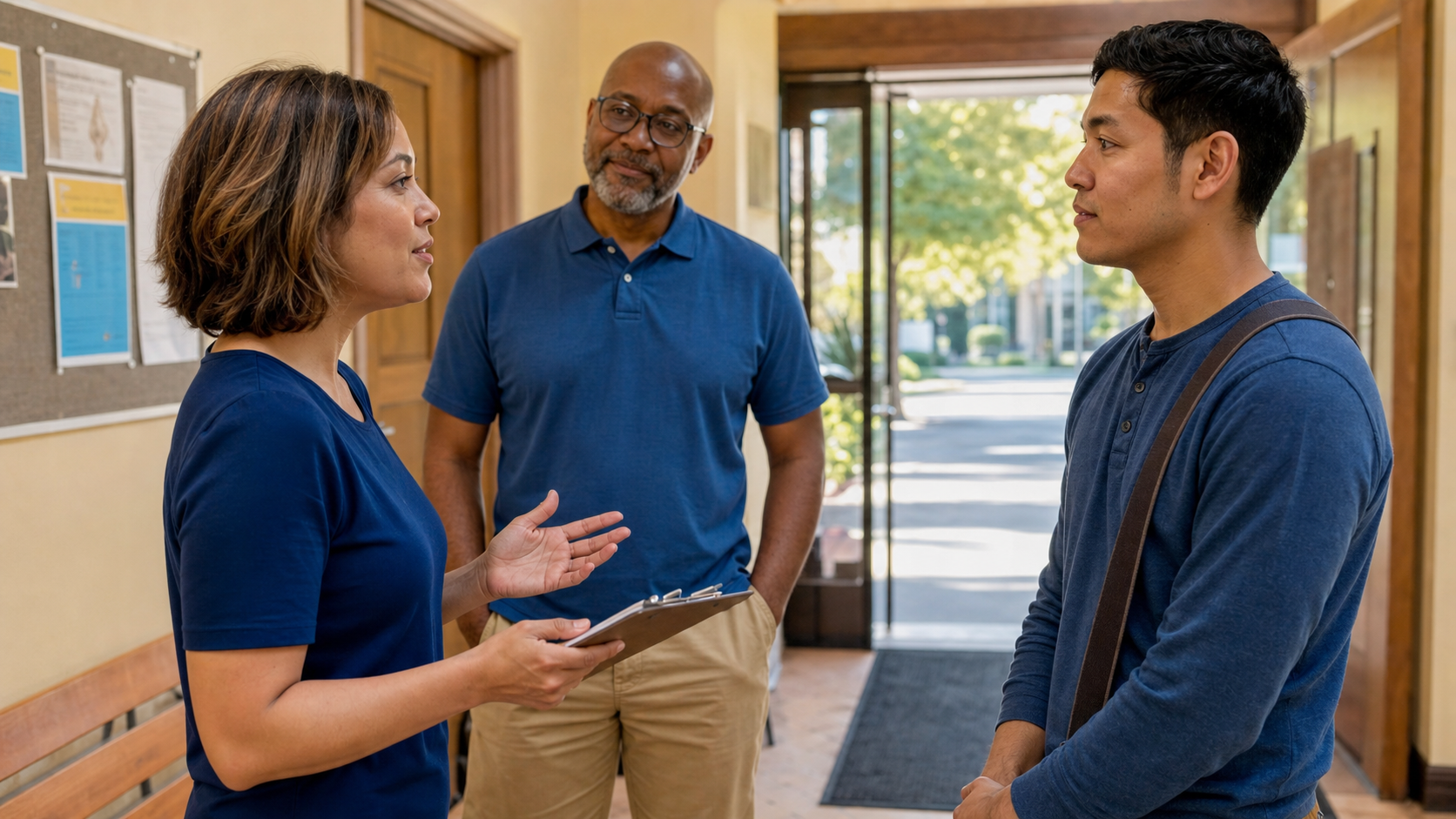
A volunteer should be able to arrive, understand the purpose, join the team, practice once, and begin without sitting through an hour of software troubleshooting. A useful launch includes:
- A two-minute purpose. Explain what the campaign hopes to learn and why personal contact matters.
- A short, spoken model. Let a captain demonstrate a complete door interaction.
- One practice round. Pair volunteers and let each person try the opening, one issue question, and the close.
- A safety agreement. Work in appropriate conditions, respect private-property instructions, never argue, and leave immediately when asked.
- A clear logging standard. Define “not home,” “moved,” “support,” “undecided,” and “follow up” before those labels become inconsistent data.
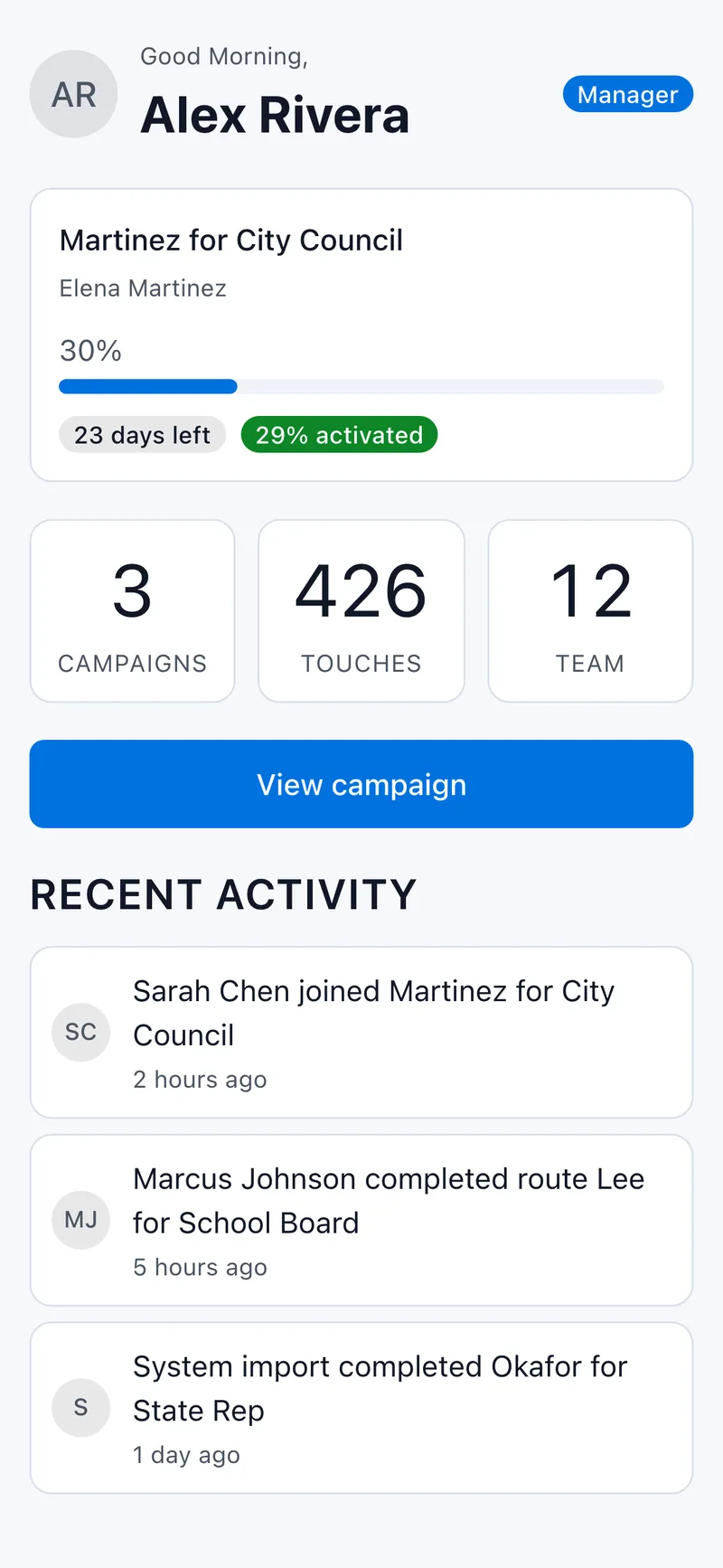
- A fast way to join. Activate lets organizers invite a team with a QR code or link, without sending volunteers through an app store.
Good onboarding should feel like opening a door, not applying for a mortgage.
At the door: use a map, not a monologue
A script is a map. It keeps a volunteer oriented. It should not prevent them from looking up.
A durable conversation has five parts
1. Introduce yourself and the reason for the visit
Use plain language. Say your name, the campaign or civic effort you represent, and why you are on the block. Do not disguise the purpose of the contact.
2. Ask a real question
“What is the most important issue in this election for you?” is more valuable than racing through three talking points. A real question gives the resident room to identify the subject that matters.
3. Listen long enough to learn something
Listening is not the pause before the next sentence. It is part of the campaign's field intelligence. Volunteers should be prepared to record the issue—not merely whether the person agrees.
4. Respond briefly and honestly
Connect the resident's concern to an accurate campaign position. If the answer is unknown, say so and offer a follow-up. A promised answer, delivered later, can build more trust than an improvised one delivered now.
5. Close with one clear next step
That may be voting information, a request to volunteer, a yard-sign follow-up, an invitation to an event, or simply a thank-you. The close should fit the conversation that occurred.
The best canvasser is not necessarily the person who speaks most beautifully. It is often the person who makes a neighbor feel that the visit was worth answering.
After every door: record the truth quickly
Field data loses value when it arrives late, arrives vaguely, or never arrives.
A useful record should distinguish at least
- no answer;
- wrong address or moved;
- refused conversation;
- successful contact;
- support level, when lawfully and appropriately collected;
- issue or concern raised;
- requested follow-up; and
- language or accessibility need relevant to future contact.
Do not convert uncertainty into certainty merely because a dropdown asks for an answer. “Undecided” is information. “Needs follow-up” is information. Even “not home” becomes useful when the campaign can compare contact rates by day and time.
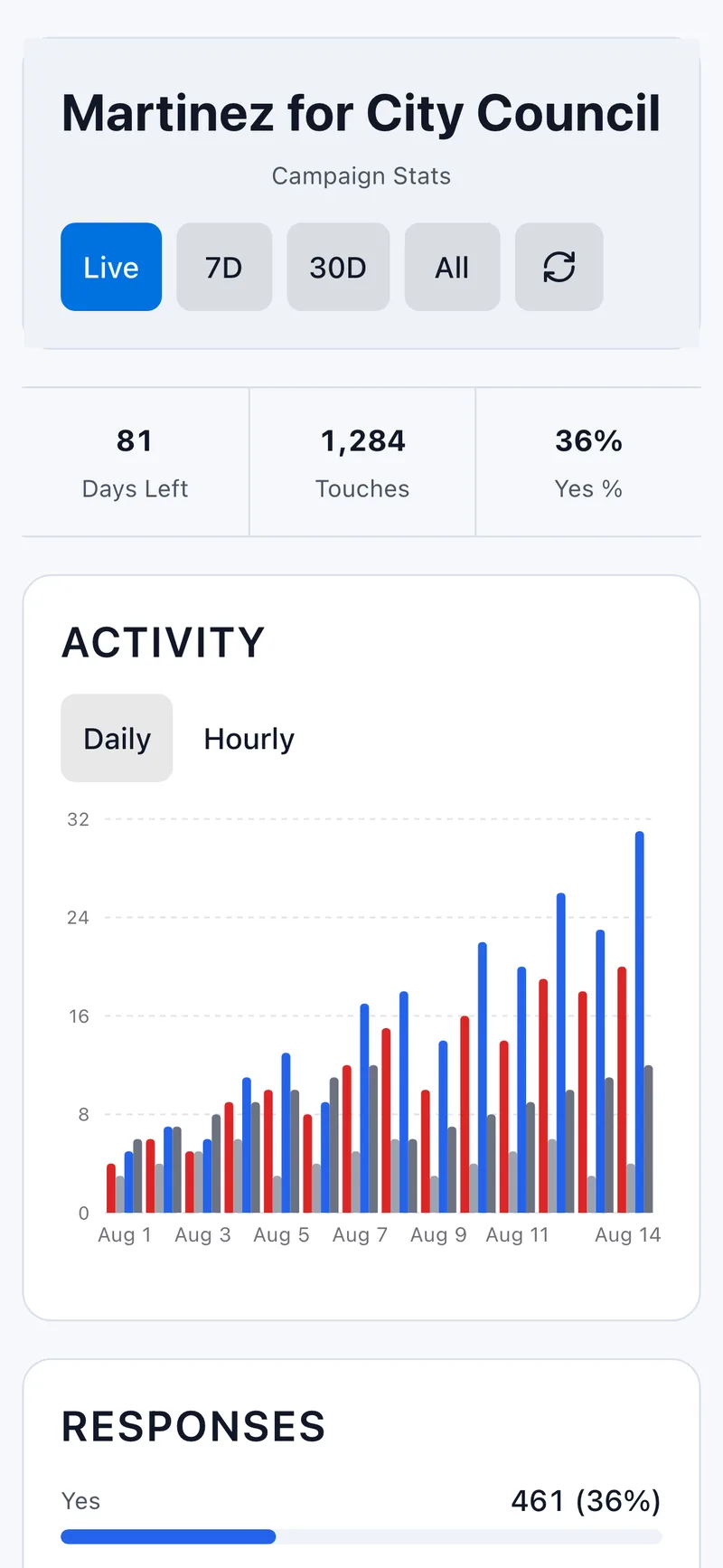
This is where the field tool should disappear into the work. Activate's mobile-first interface uses large, thumb-friendly response controls; smart distribution helps reduce double-knocks and missed streets; and its live dashboard shows completion and response activity while the team is still outside. The platform also supports English and Spanish, so more volunteers can work in the language they know best.
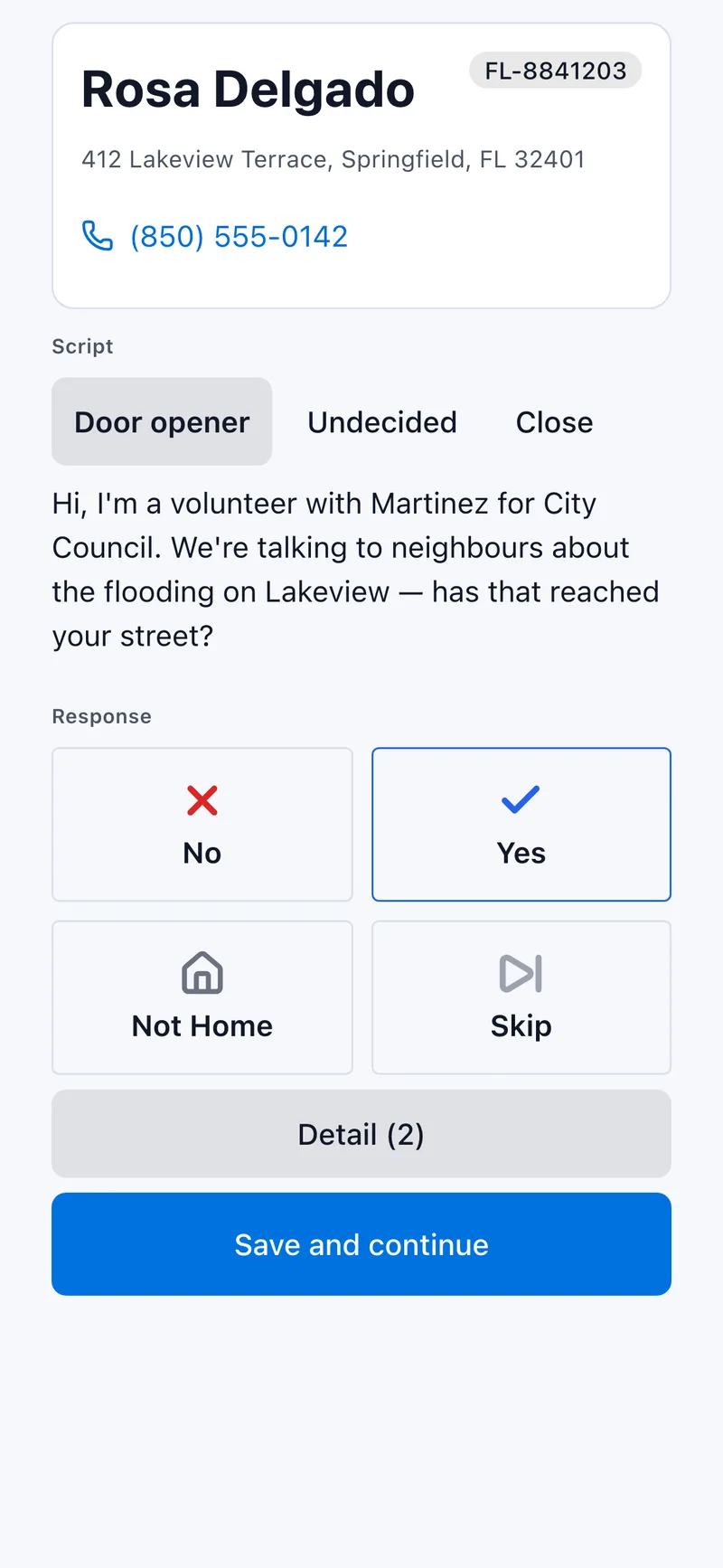
The value is not technology for technology's sake. It is shortening the distance between a conversation on the sidewalk and a decision at campaign headquarters.
During the shift: manage while change is still possible
An end-of-day report can describe a problem. A live field view can still fix it.
Every 45 to 60 minutes, a field lead should ask
-
- Are volunteers completing their assignments?
-
- Are some routes taking much longer than others?
-
- Is one turf producing an unusually low contact rate?
-
- Are multiple canvassers recording the same confusing outcome?
-
- Is a particular issue appearing often enough to require a researched follow-up?
-
- Does a volunteer need encouragement, retraining, or simply a bottle of water?
The purpose is not surveillance. It is support. Volunteers are giving their time and walking the blocks. A campaign owes them clear assignments, responsive leadership, and evidence that their work is going somewhere.
After the shift: hold a 15-minute learning huddle
Do not let the final logged door be the end of the day's thinking.
Bring the team together and ask three questions
- What did residents ask that we were not ready to answer?
- Where did the script help, and where did it get in the way?
- What should the next shift do differently?
Then compare the stories with the numbers. If volunteers felt that “nobody was home,” examine the contact rate. If conversations were warm but outcomes were poorly recorded, tighten the logging definitions. If one opener worked naturally across several turfs, test it again rather than declaring victory after a single afternoon.
That is how a campaign develops institutional memory before Election Day arrives.
A seven-day improvement plan
For a campaign beginning this week
- Day 1: Define the voter universe and the purpose of the contact.
- Day 2: Write a short script with one honest question and one clear close.
- Day 3: Define every response label and follow-up owner.
- Day 4: Run a small pilot turf with experienced and first-time volunteers.
- Day 5: Review funnel rates, volunteer feedback, and common voter questions.
- Day 6: Revise the script, training, turf, or timing—change one major variable at a time.
- Day 7: Run the next canvass and compare results using the same definitions.
Repeat. A field program is not a single event. It is a practice.
Every door matters because every person does
Local democracy is built from ordinary moments: a school-board meeting after dinner, a question asked on a front step, a volunteer who was nervous at 9:00 and training someone else by noon.
Software cannot create that courage. It can respect it. It can remove the needless waiting, duplicate work, lost paper, and late reporting that make participation harder than it needs to be.
If your campaign is ready to organize those conversations, start a free campaign with Activate. Create the campaign, invite the team, learn from the field in real time, and keep the work moving—one door, one block, one honest conversation at a time.
Toward Victory!
Sources and further reading
- Donald P. Green, Alan S. Gerber, and David W. Nickerson, “Getting Out the Vote in Local Elections: Results from Six Door-to-Door Canvassing Experiments,” The Journal of Politics 65, no. 4 (2003).
- Christopher B. Mann and Katherine Haenschen, “A Meta-Analysis of Voter Mobilization Tactics by Electoral Salience,” Electoral Studies 87 (2024).
- Charles L. Baum and Mark F. Owens, “Does Personal Door-to-Door Campaigning Influence Voters? Evidence from a Field Experiment,” Journal of Behavioral and Experimental Economics 105 (2023).
Ready to start canvassing?
Set up your campaign and start canvassing in minutes. No credit card required. Activate. Toward Victory!
Start Free Campaign